

A compositional design study — exploring how meaning emerges from arrangement, and how line, form, and space become the language of an idea.
Ecclesiastes started as an editorial study — a personal investigation into how a single body of text can be re-composed sixteen ways without changing a single word. The point was never the words themselves; it was the shape of attention they invite.
Each composition was set on the same underlying grid, then broken deliberately at different points — margin, leading, alignment, weight. What emerges is a catalog of how form directs the reader before the reader even begins to read.
01Foundations
The page speaks first through what it chooses not to say.
The underlying grid was set at a five-column module with a single wide alley. Every composition inherits it. The variation comes from what each spread refuses to fill — negative space as an active material.
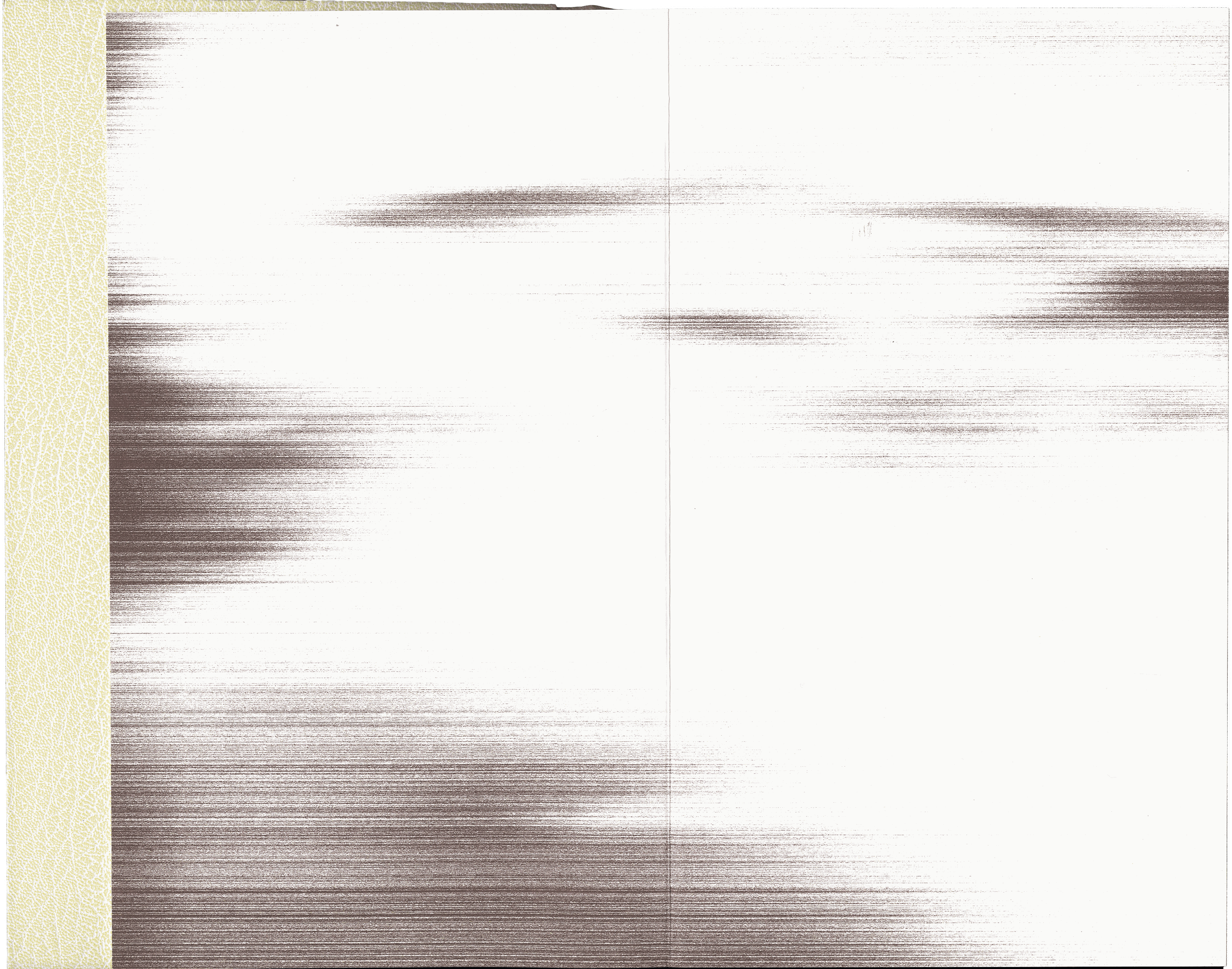
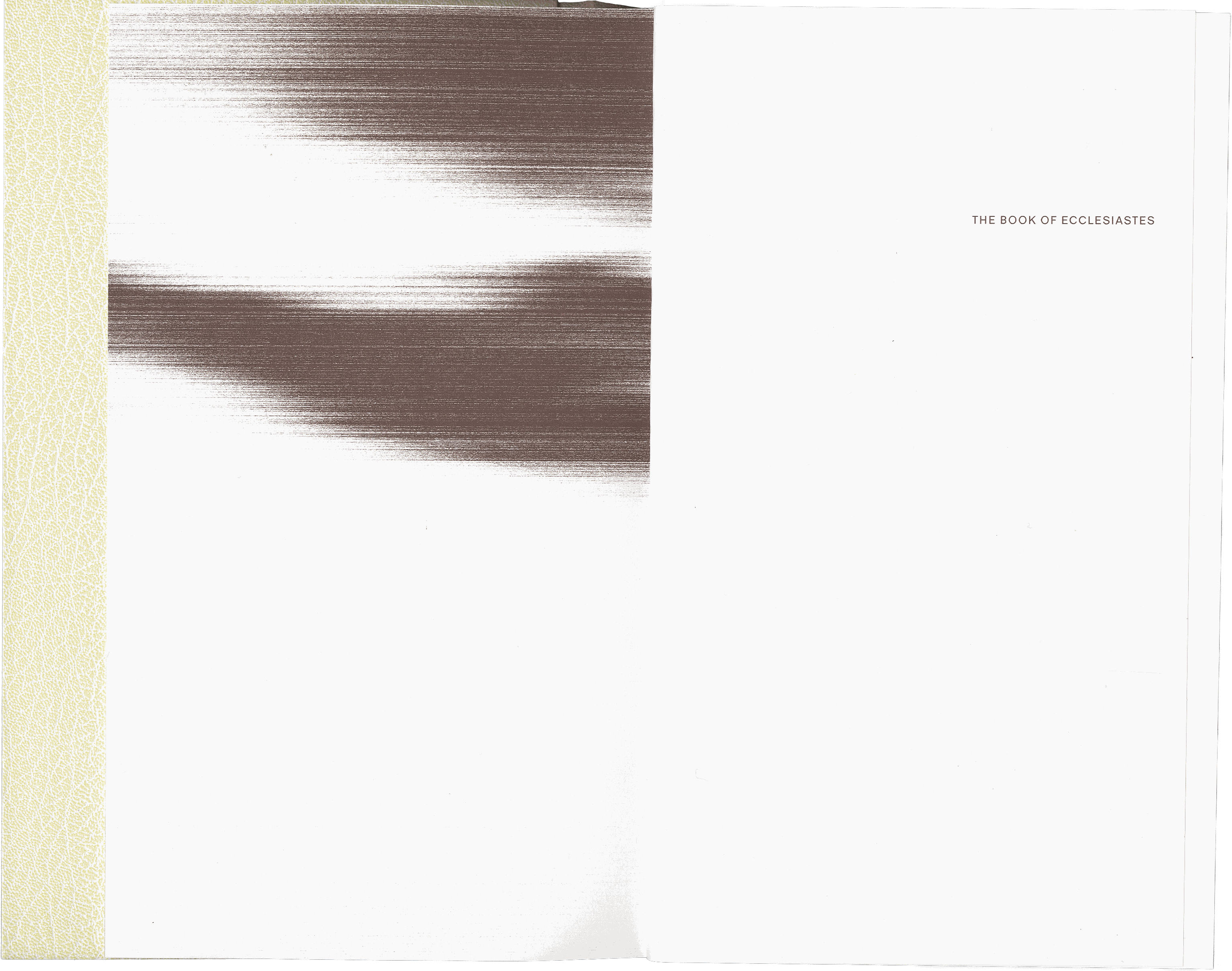
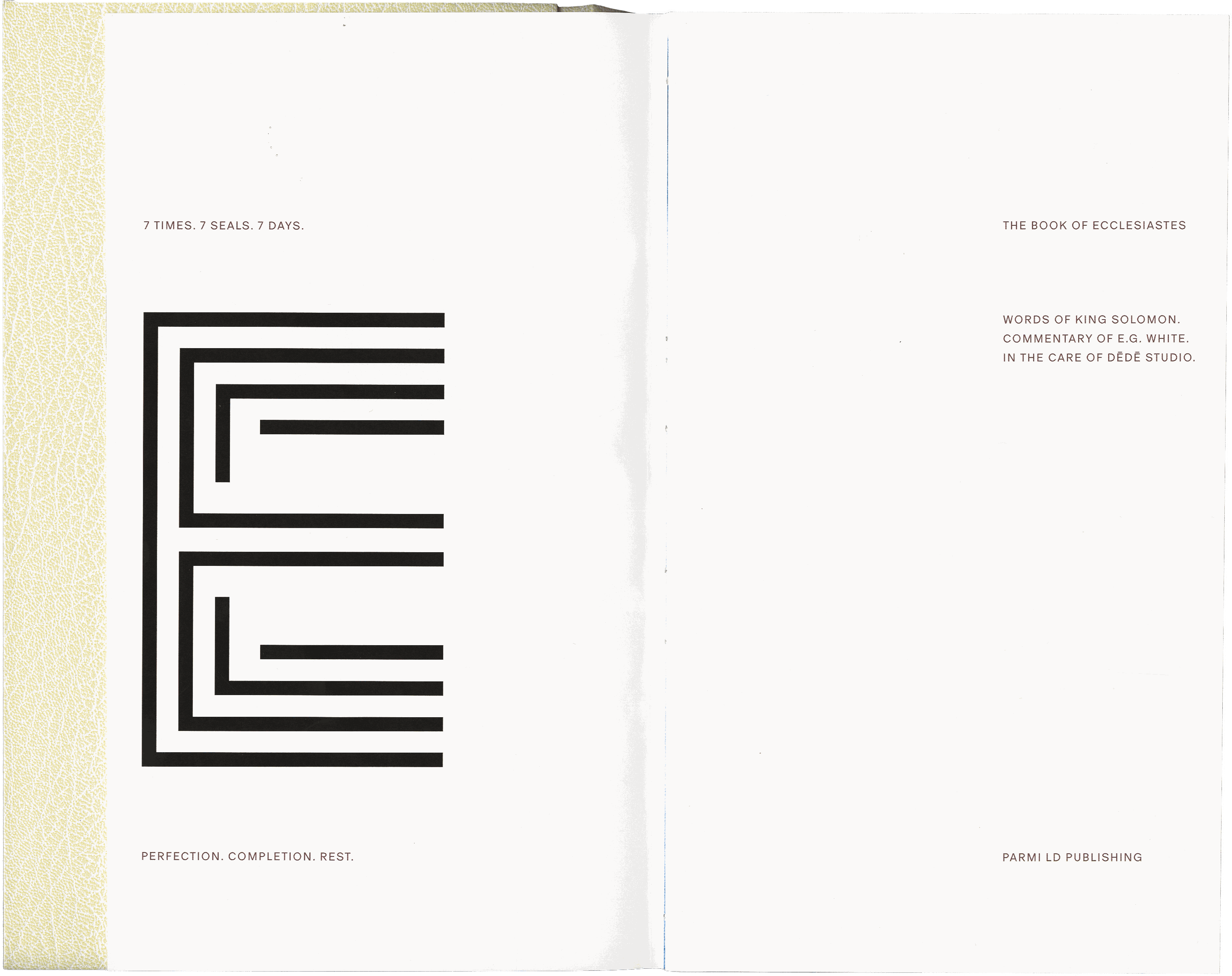
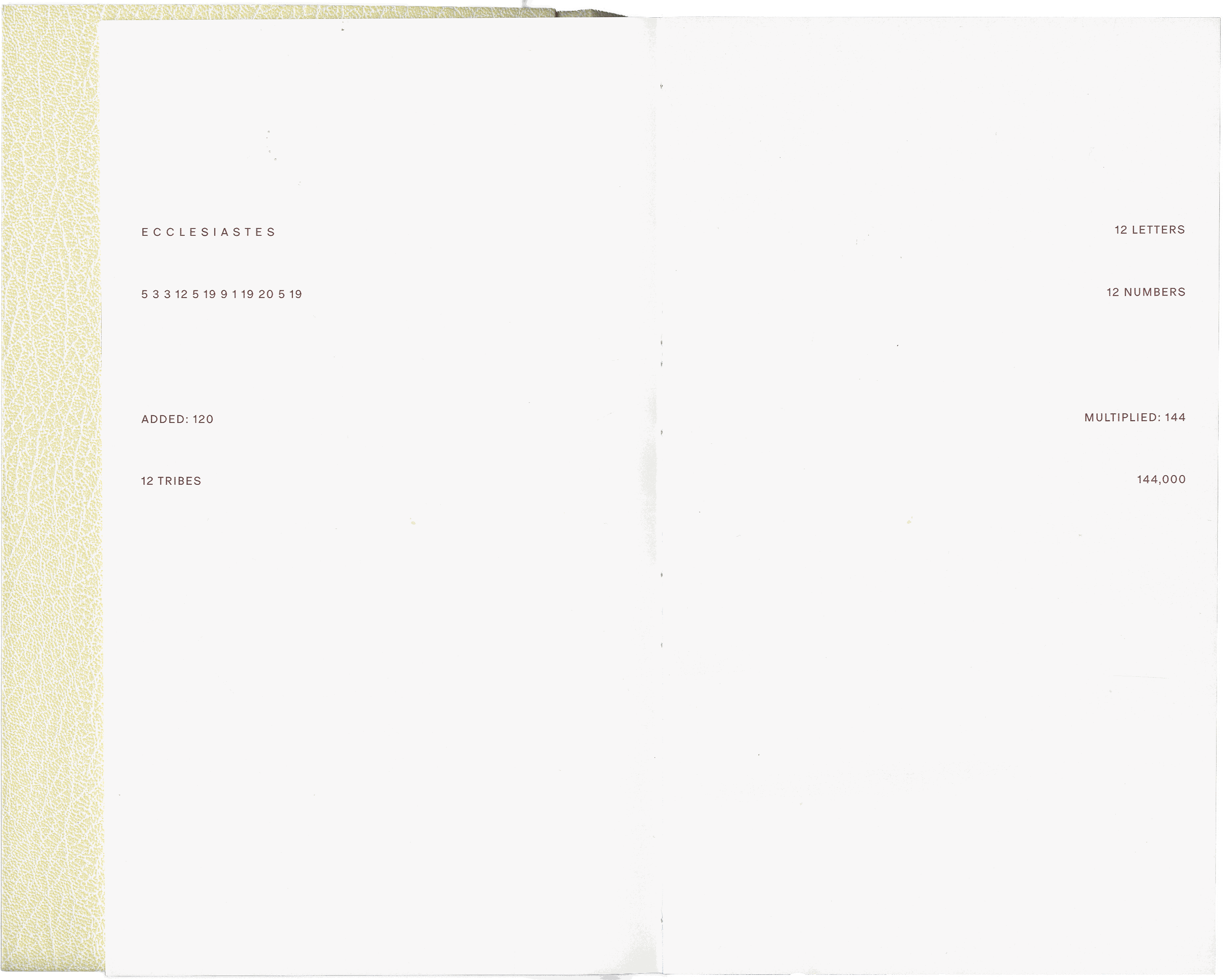
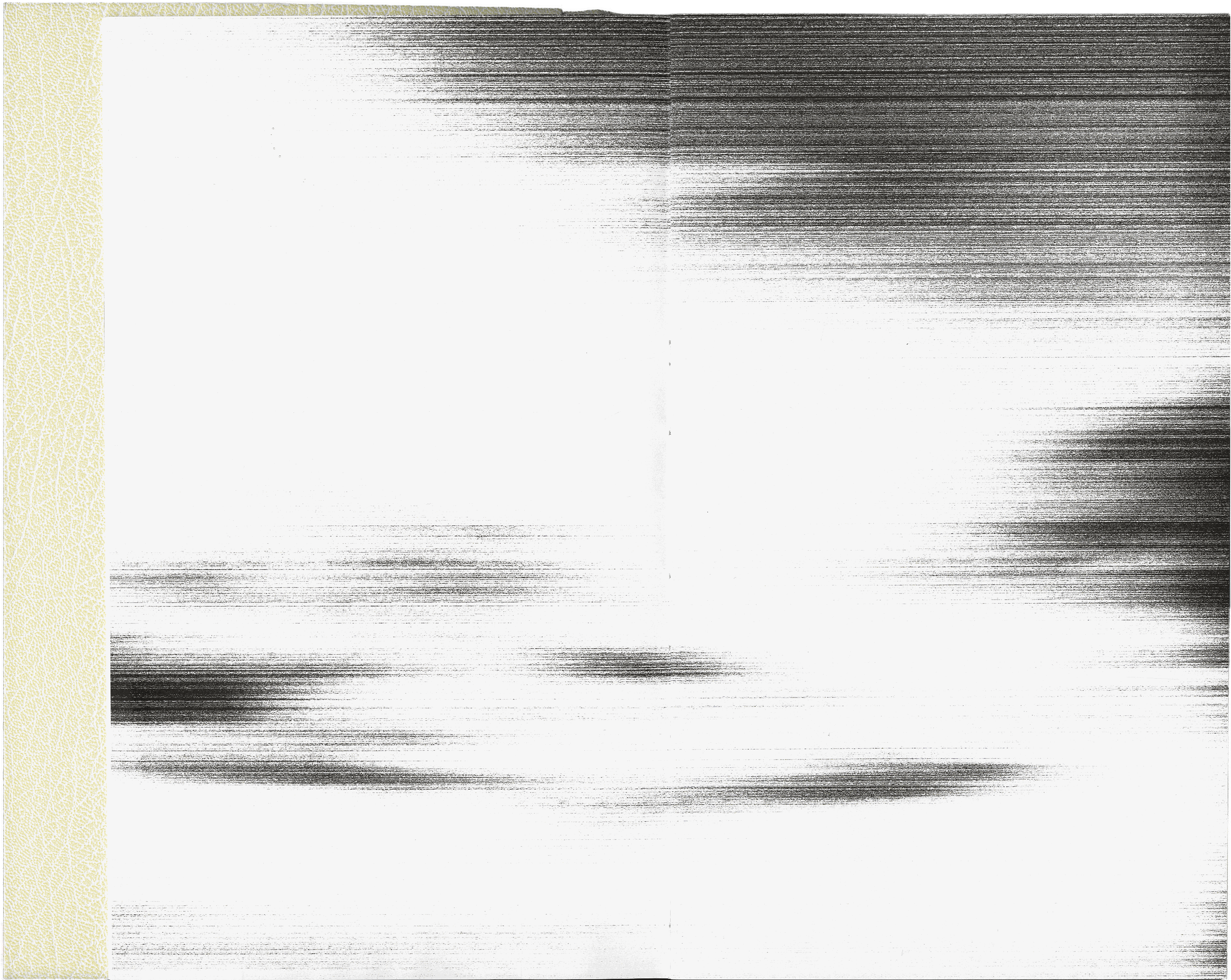
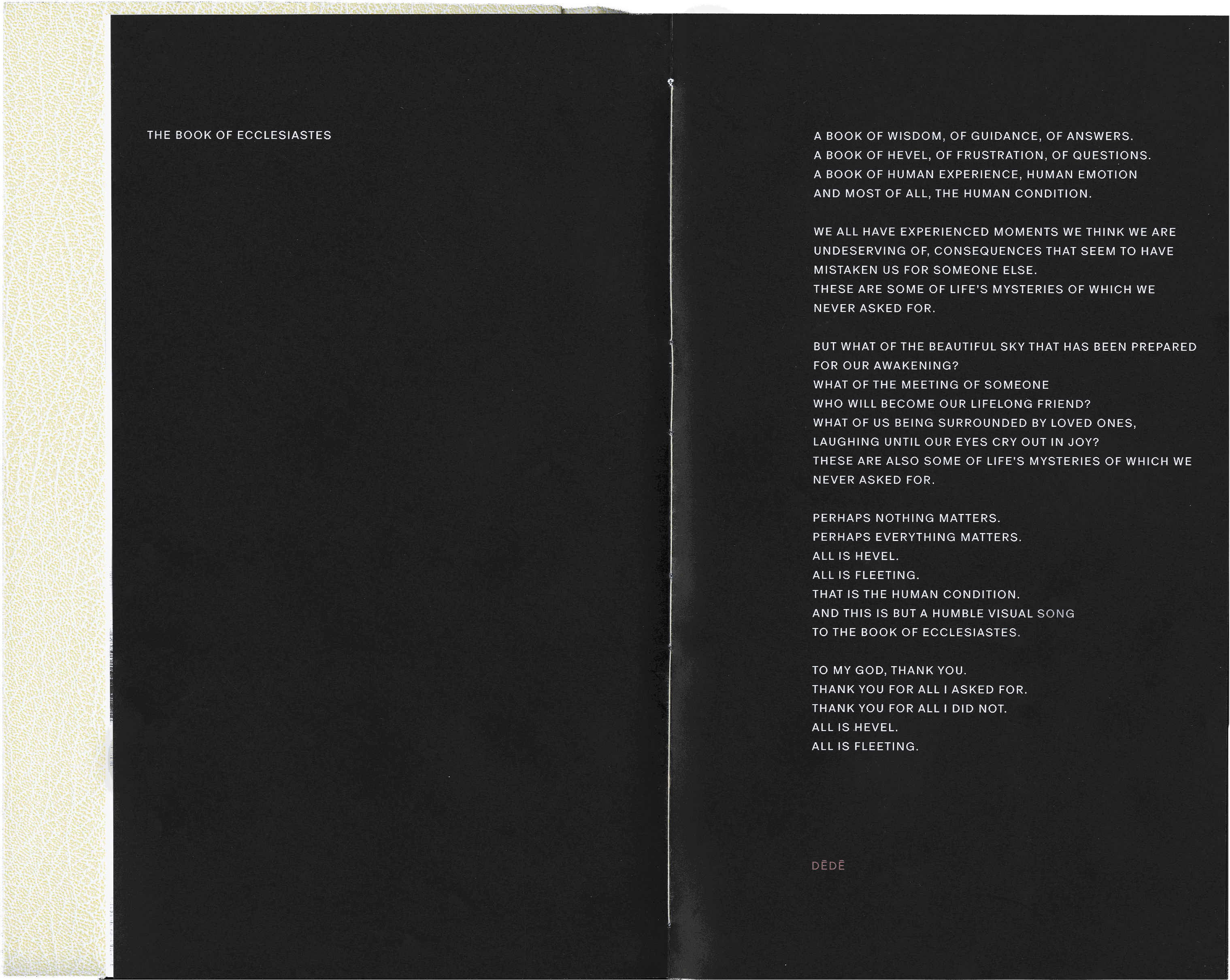
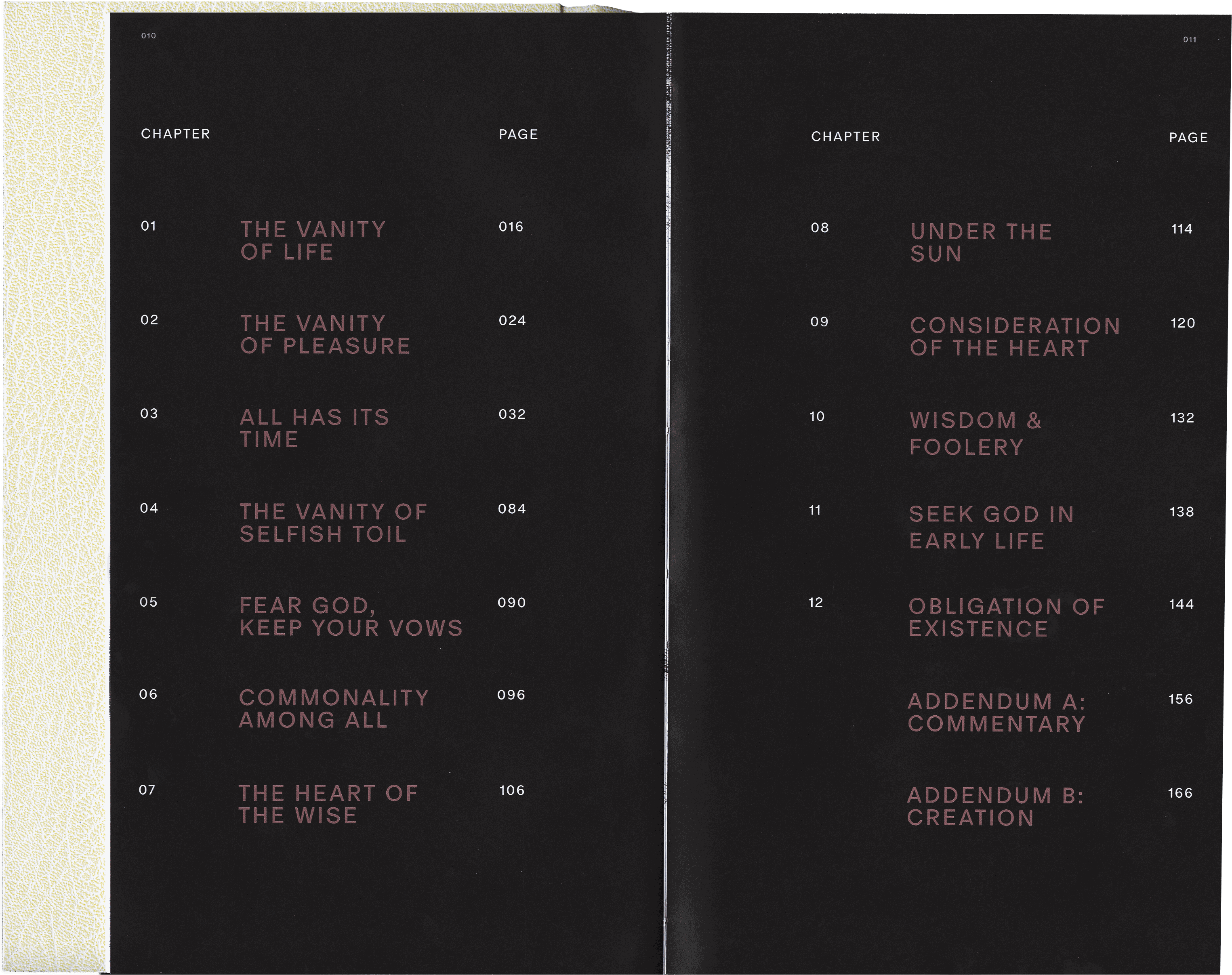
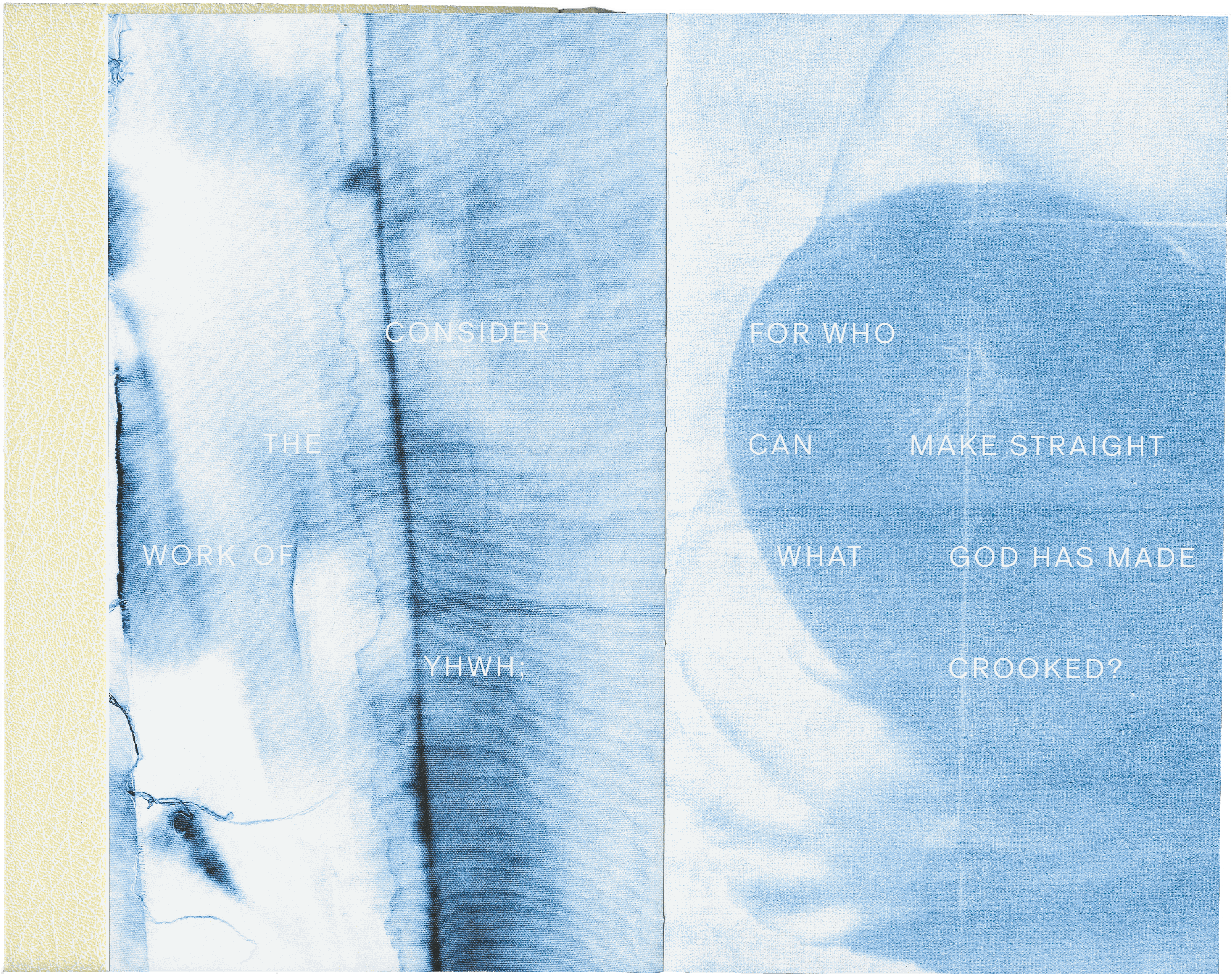
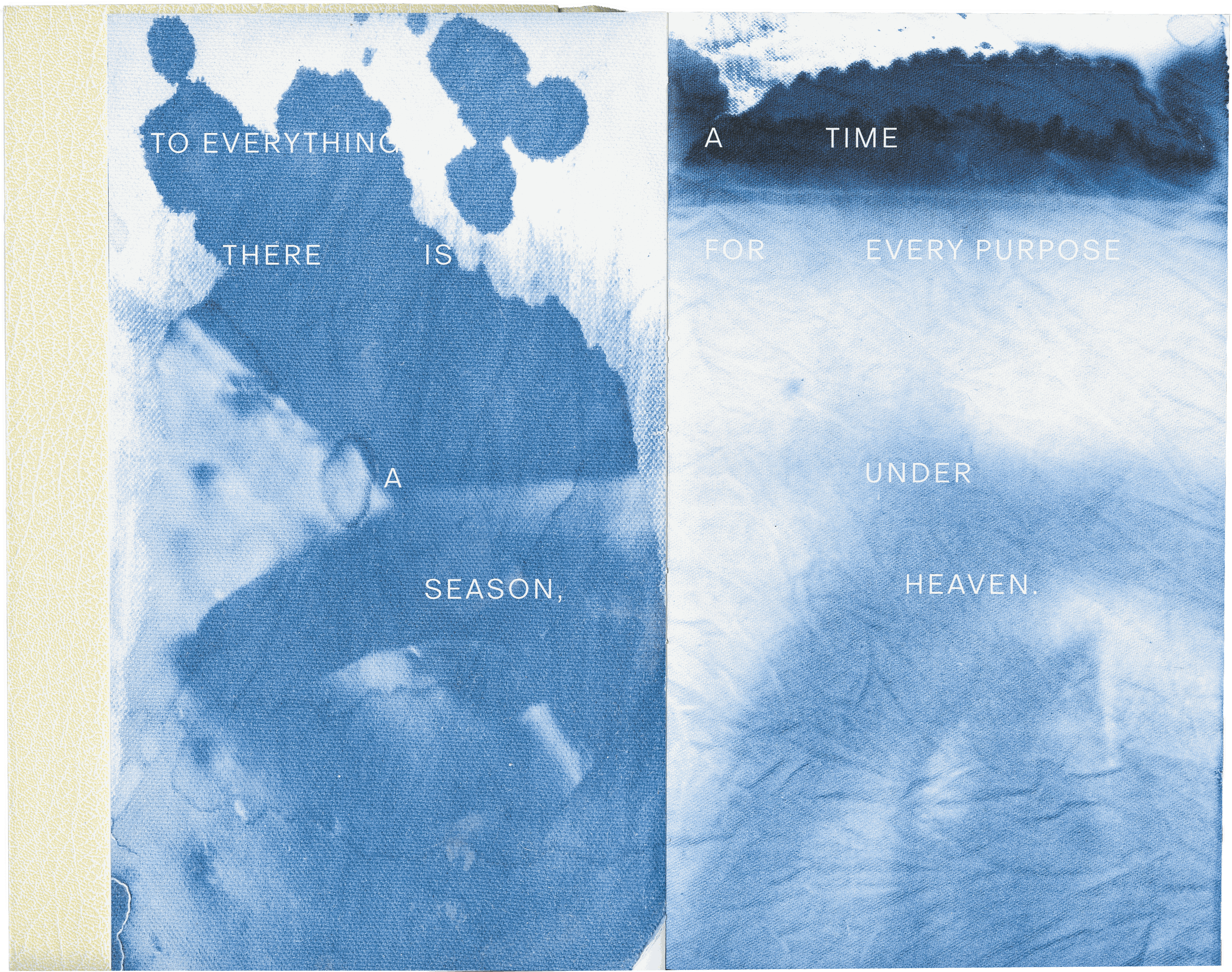
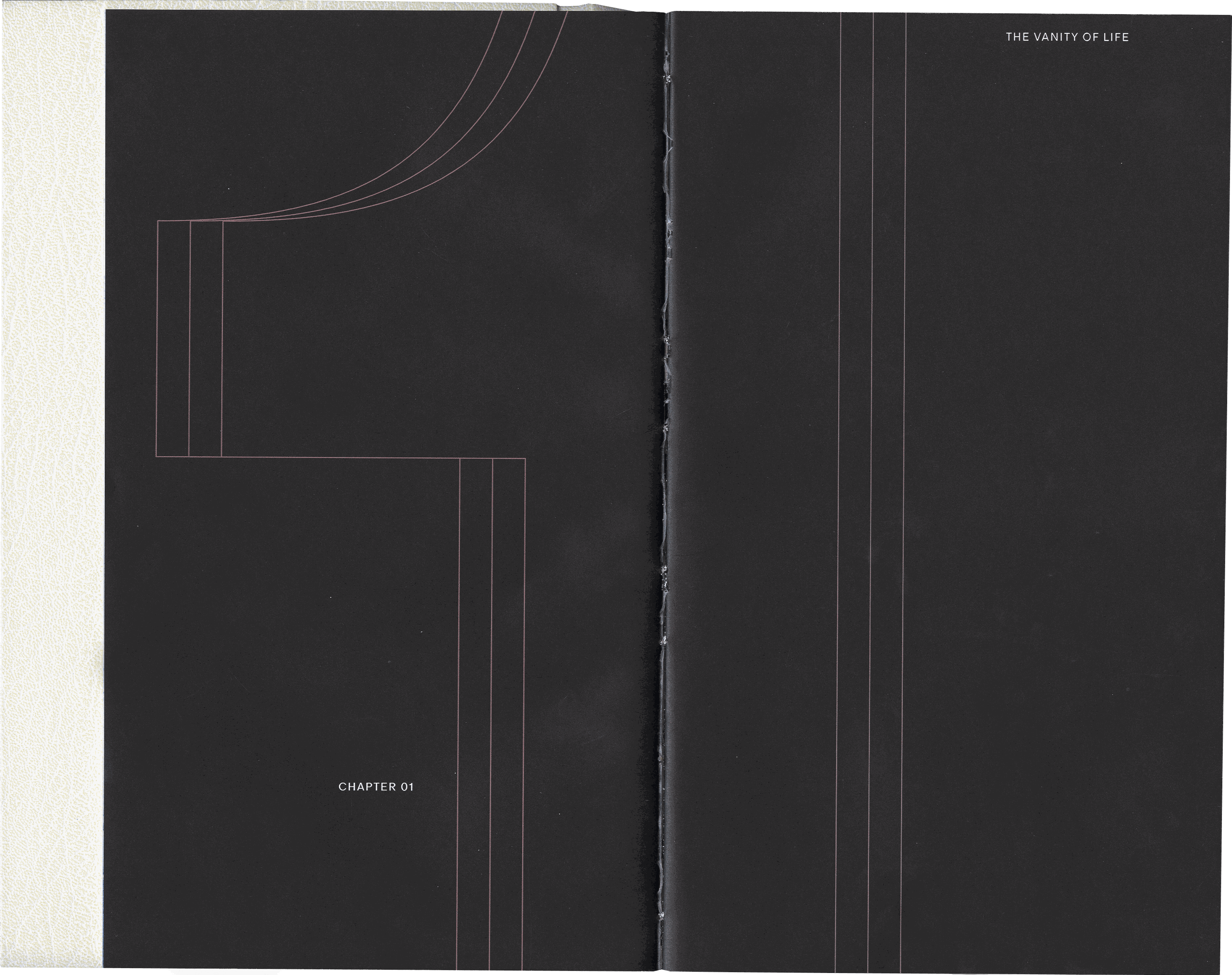
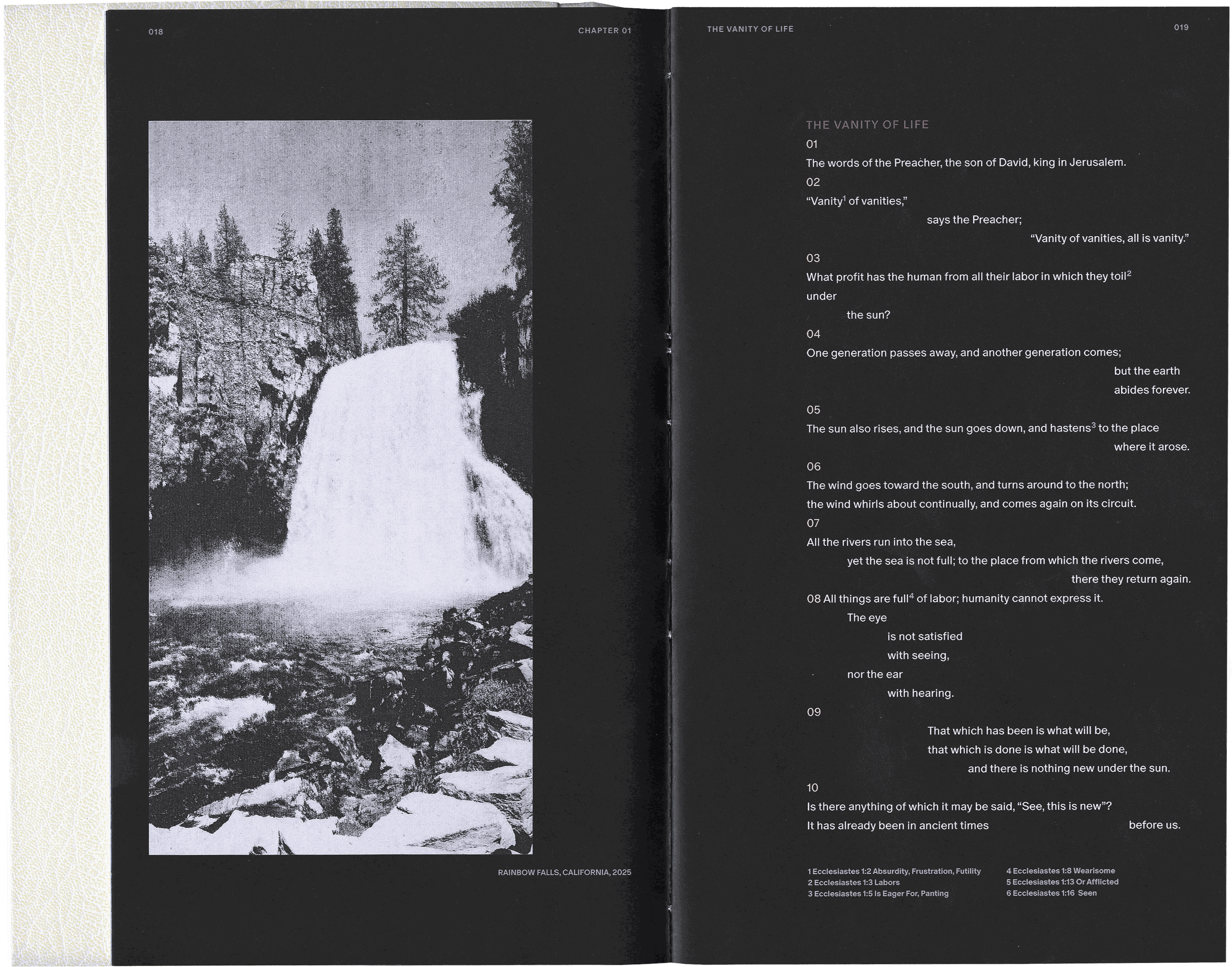
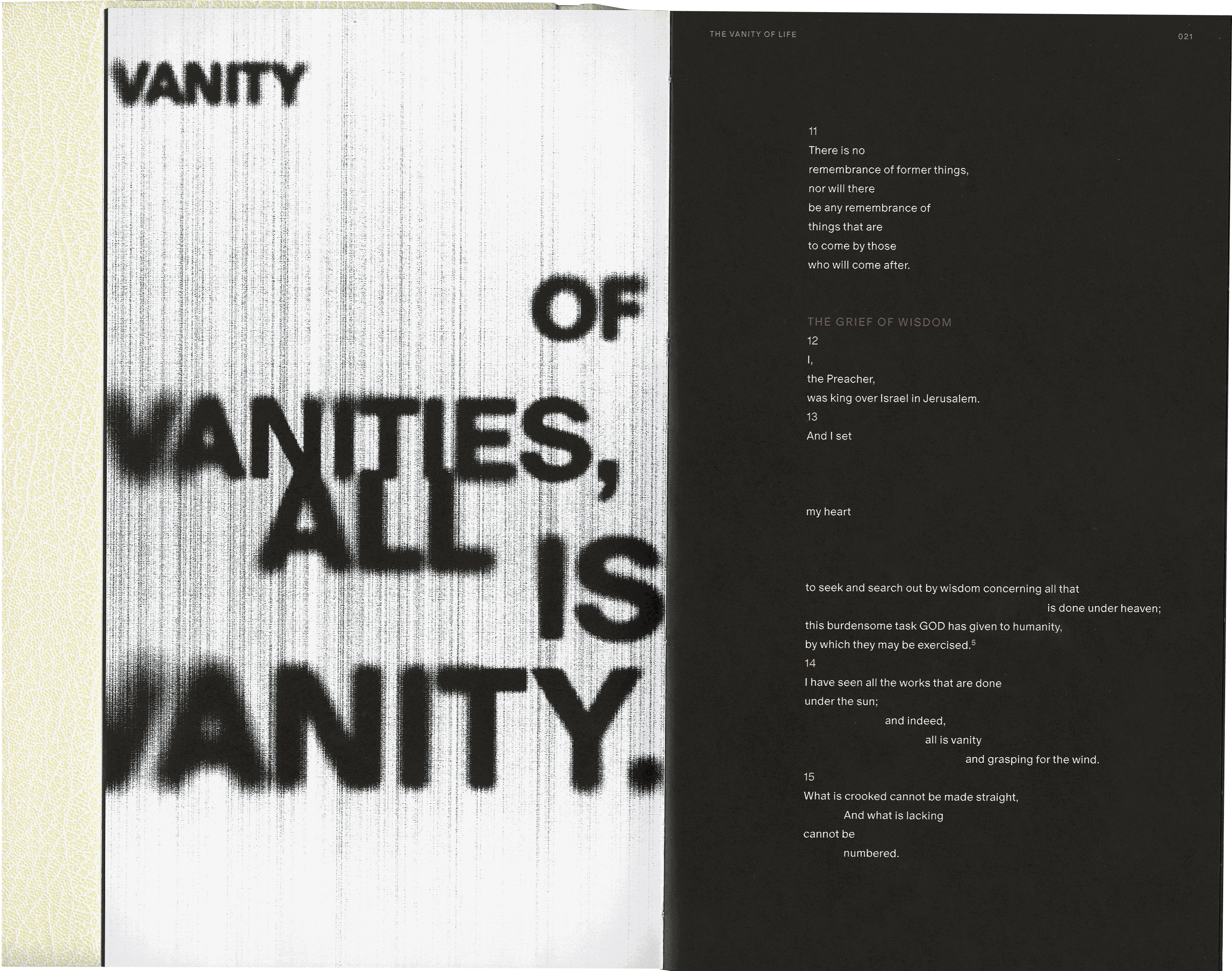
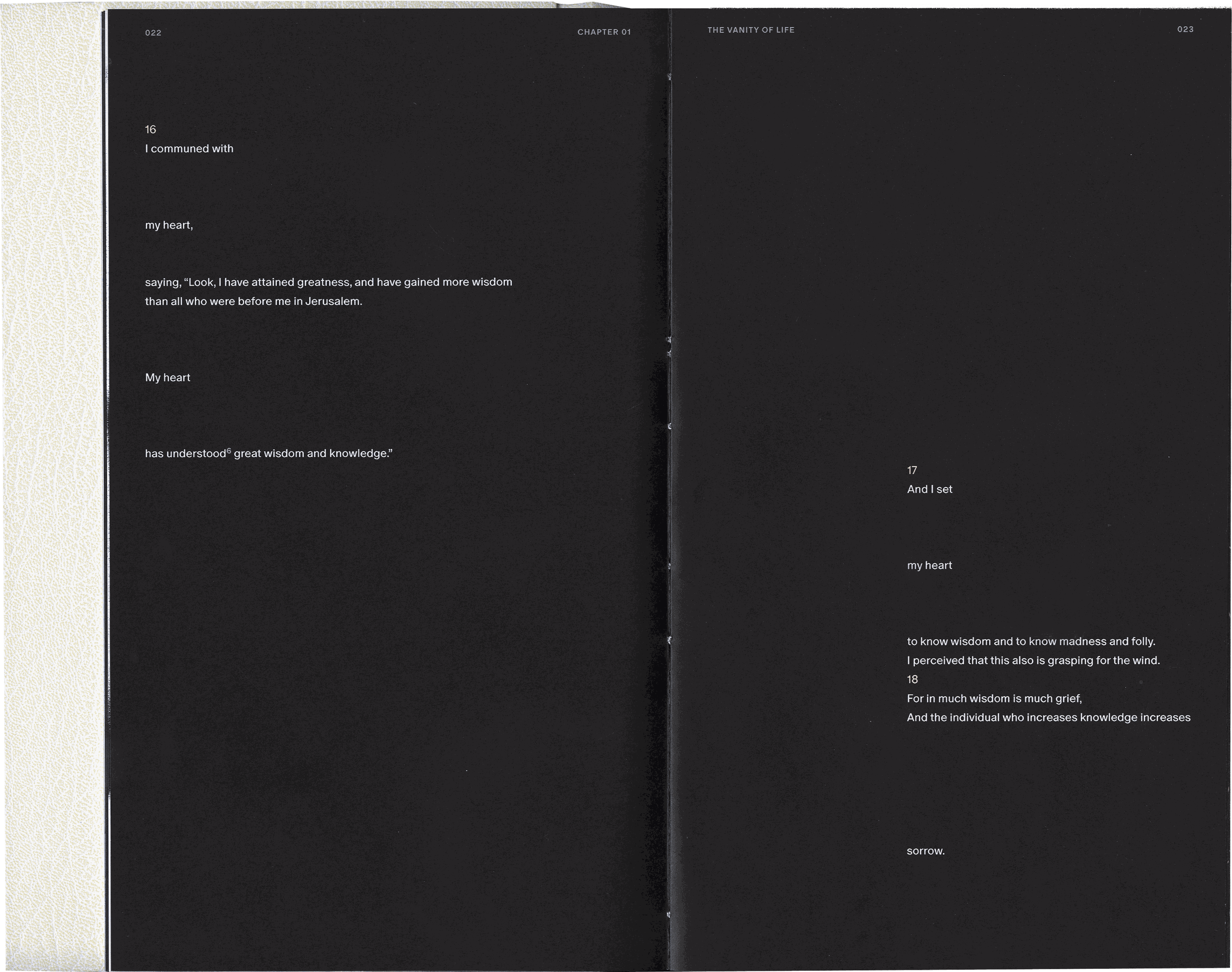
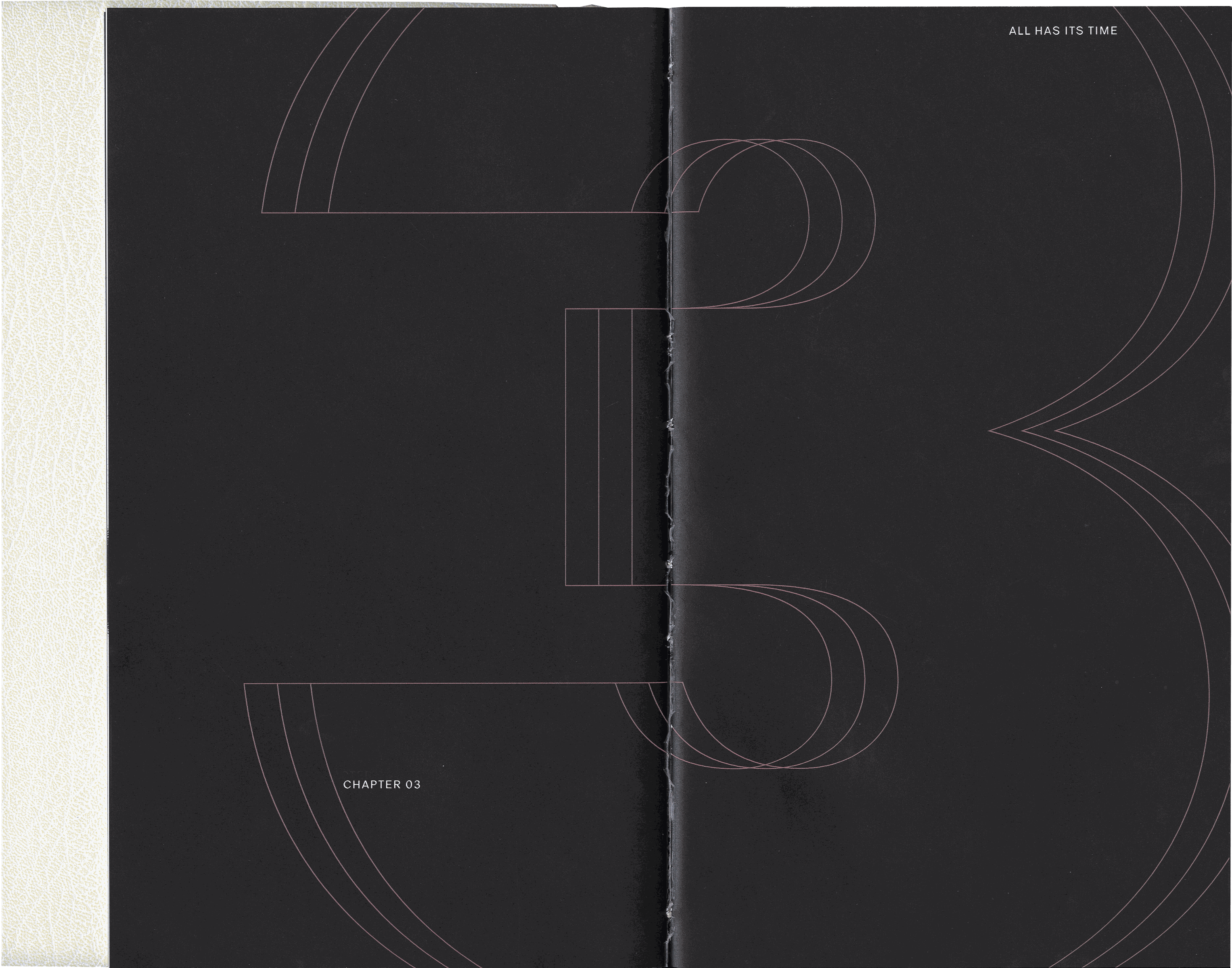
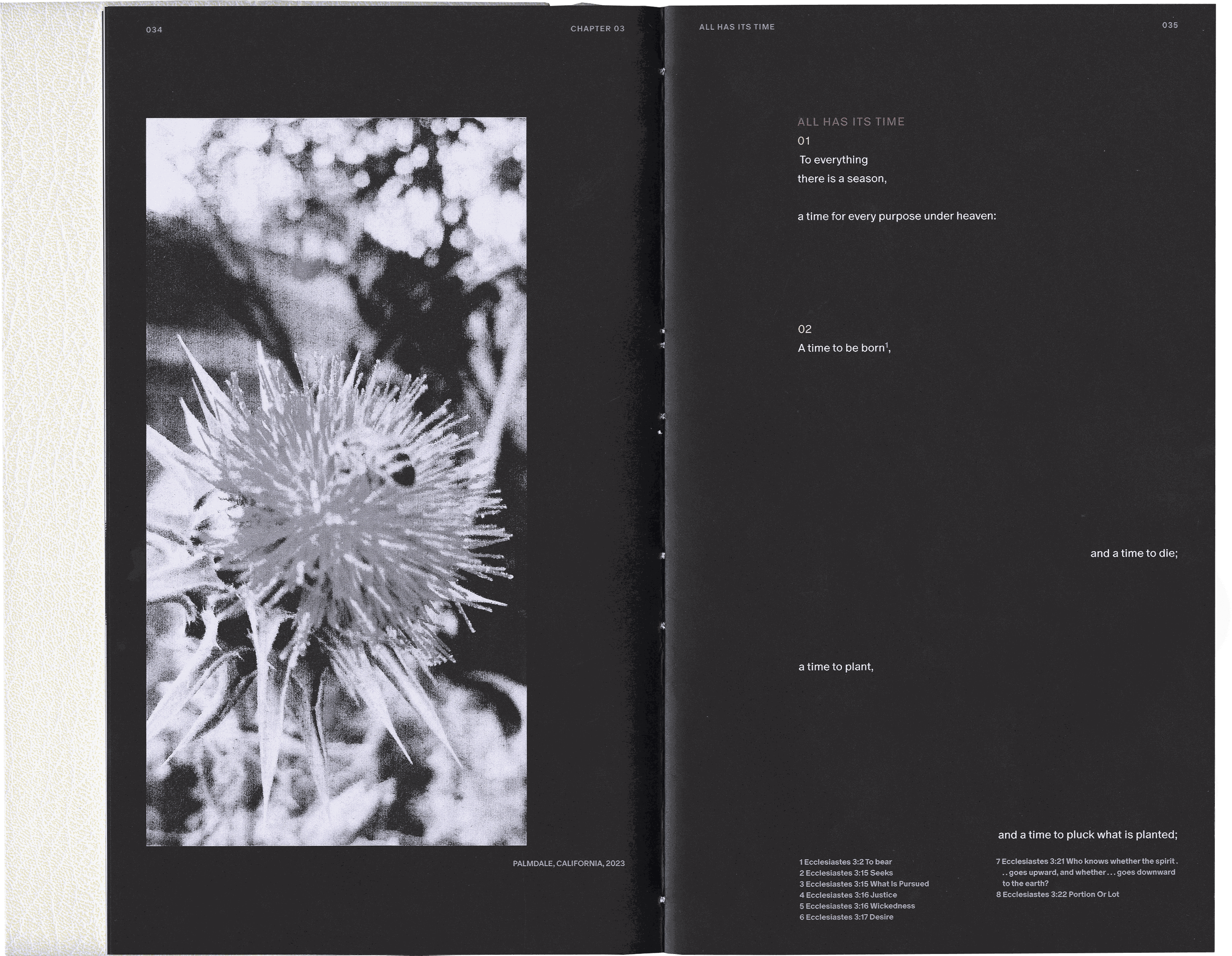
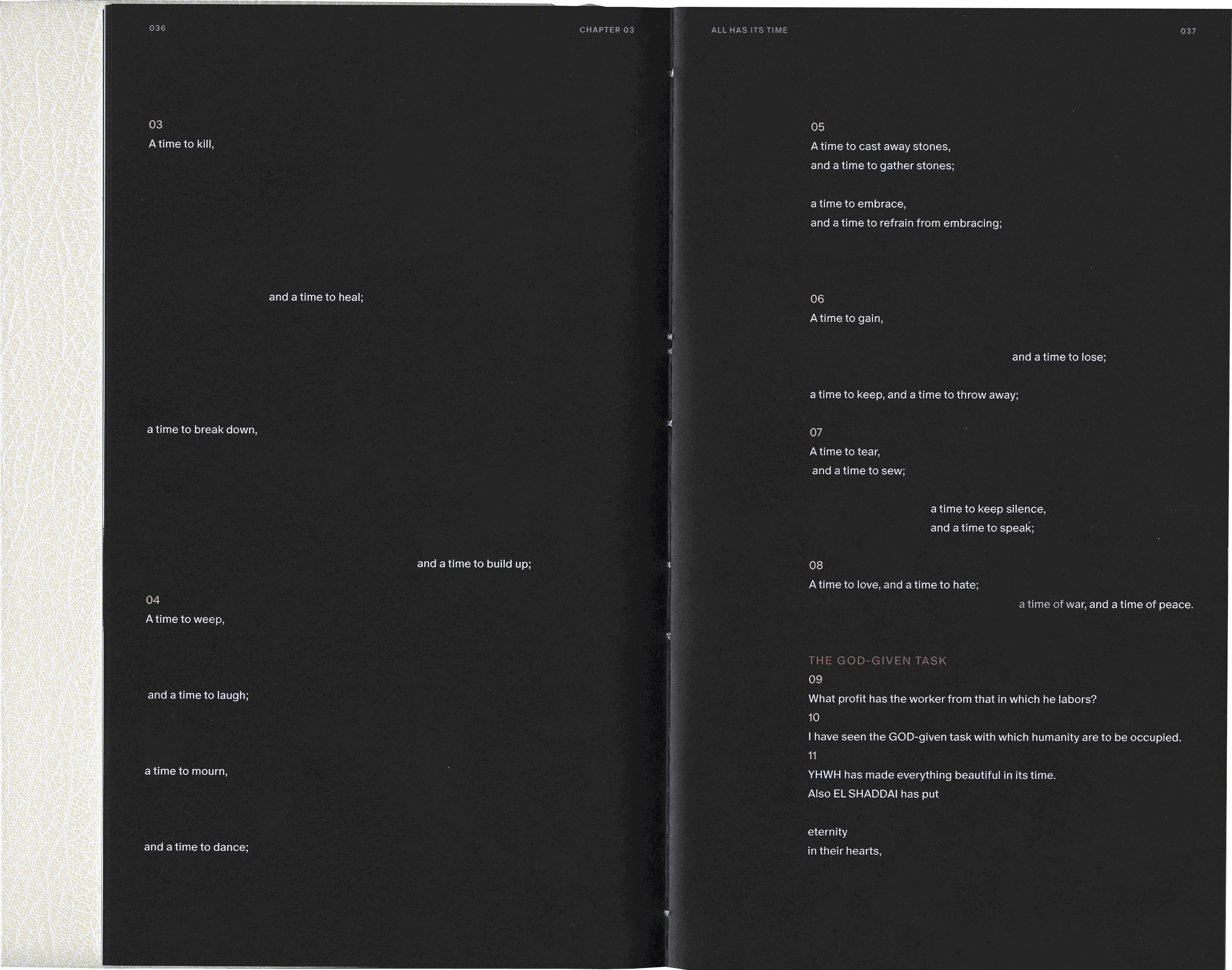
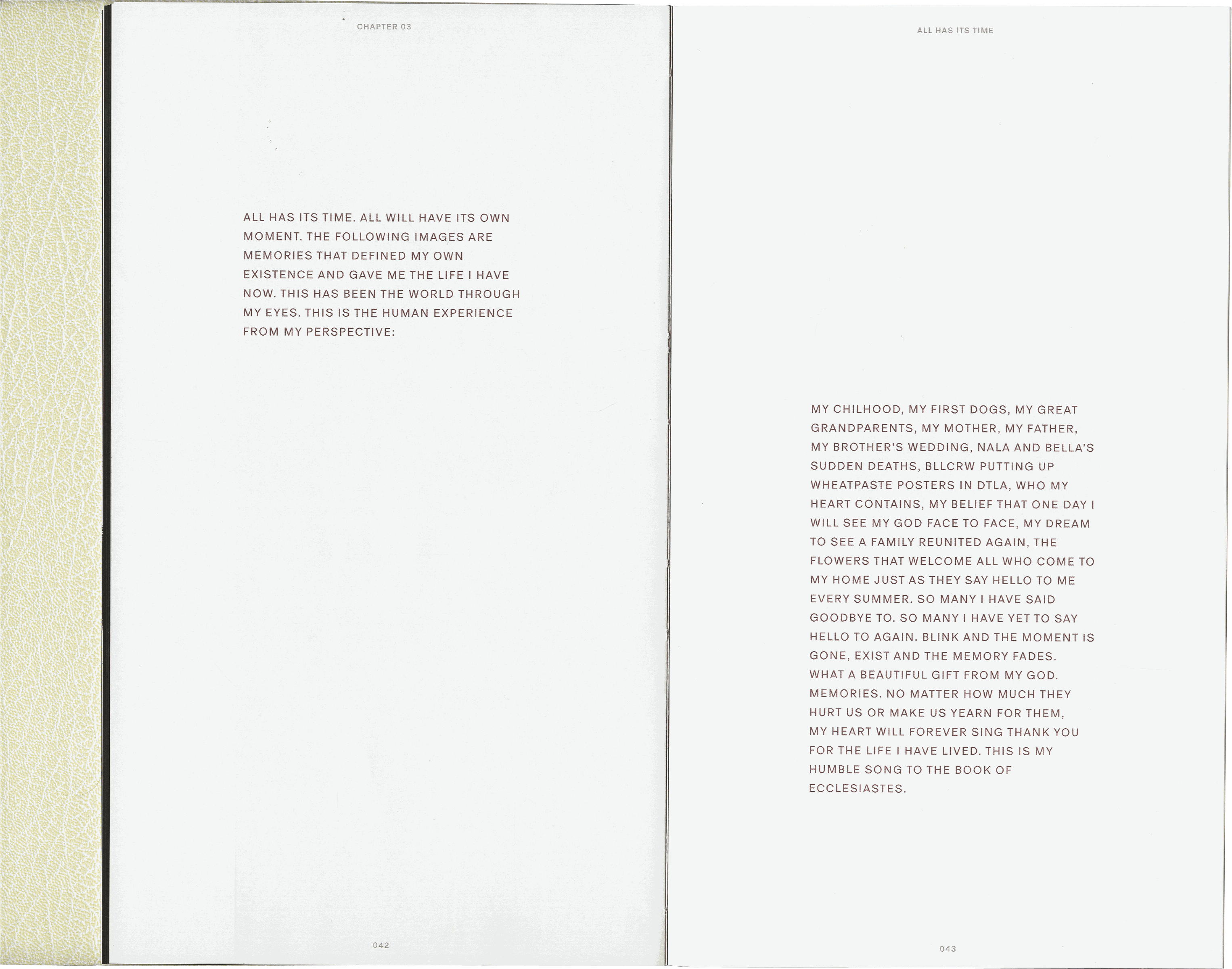
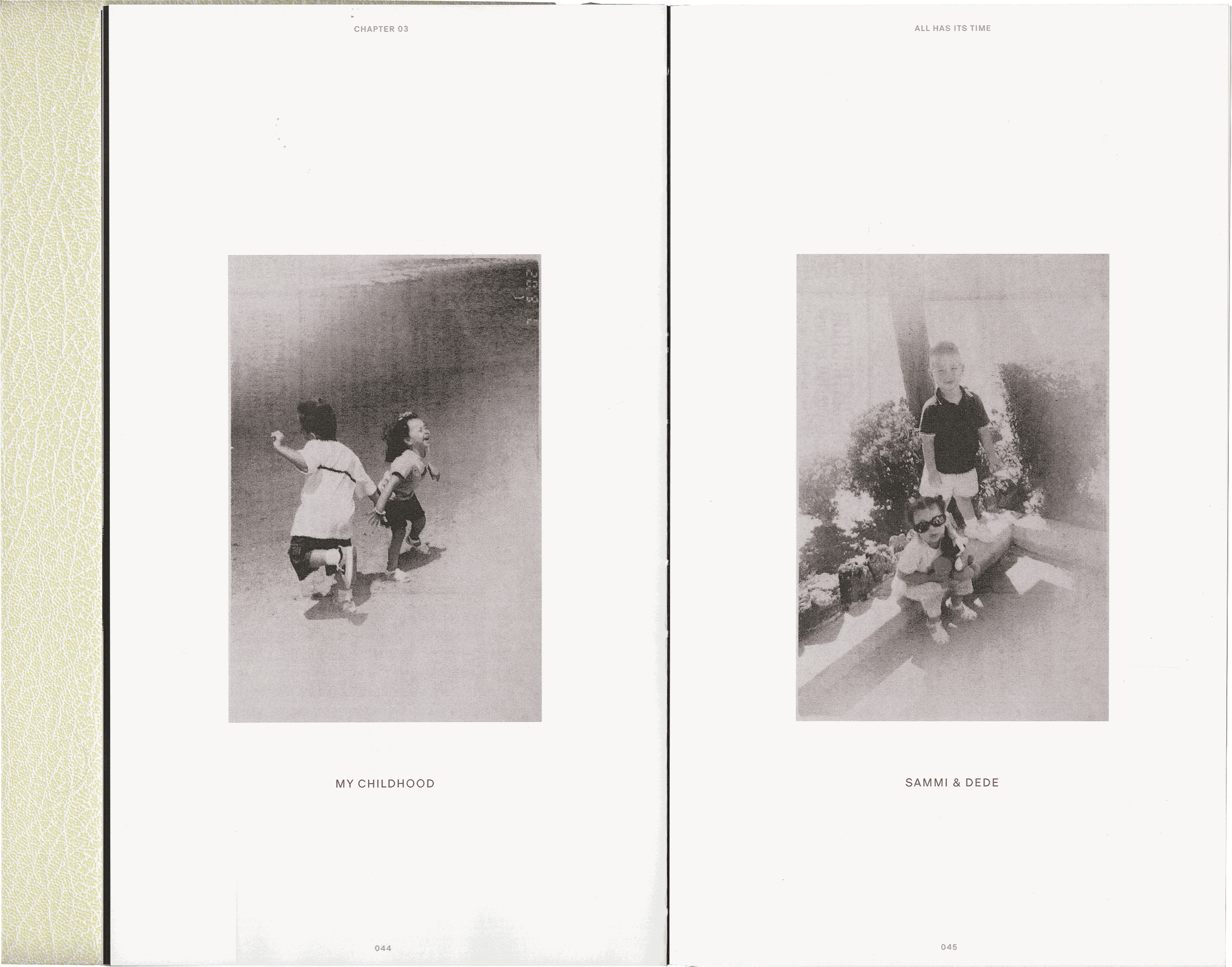
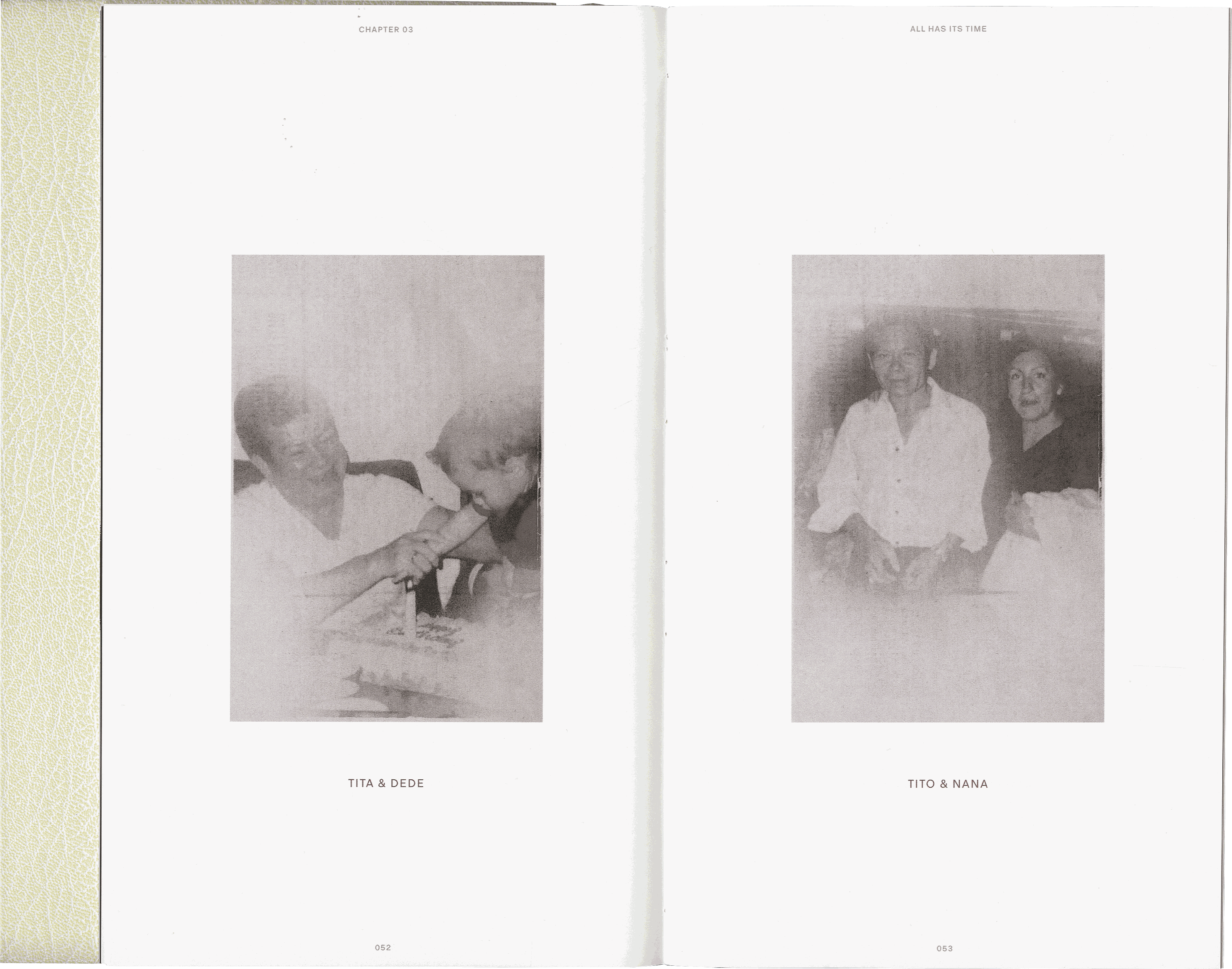
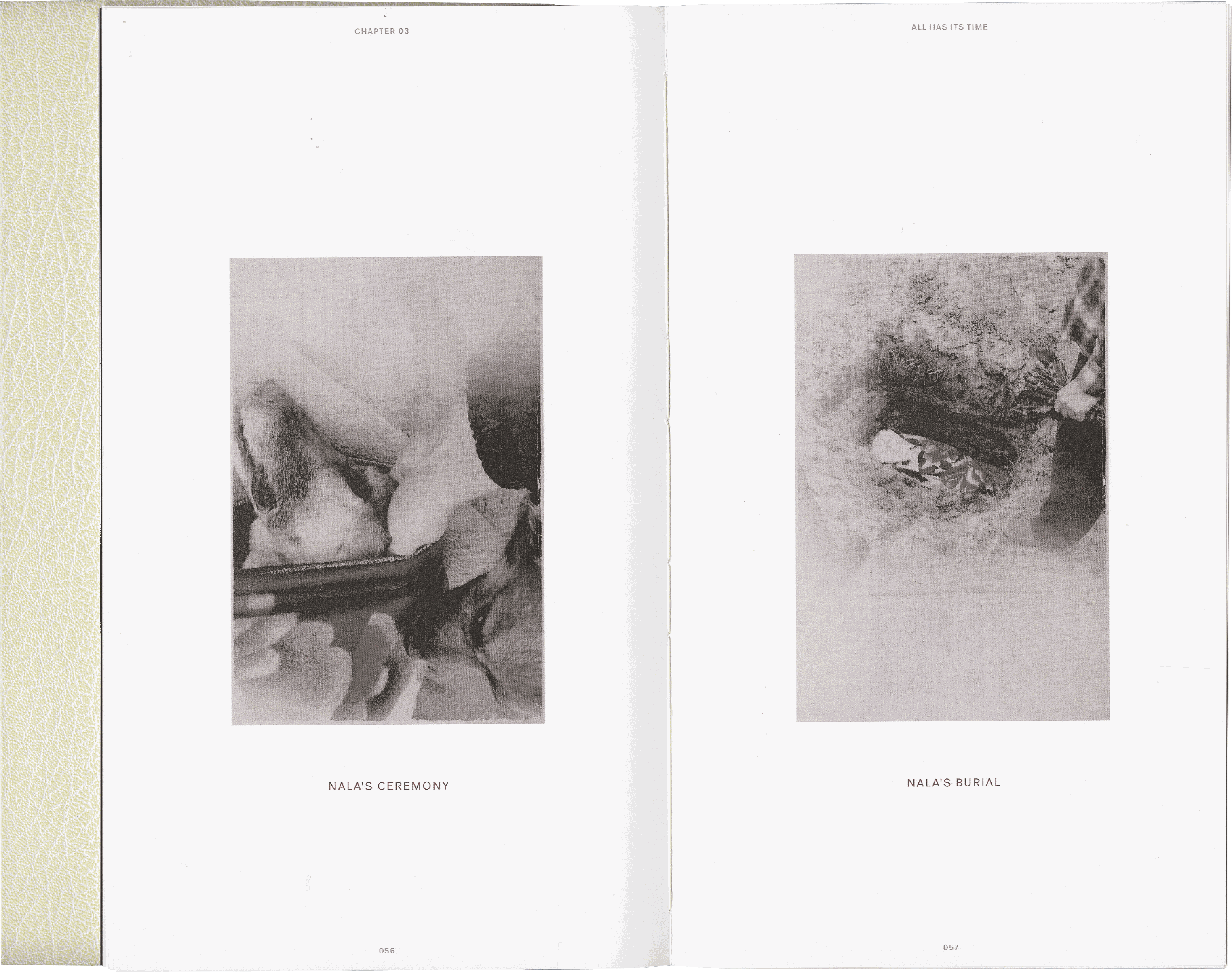
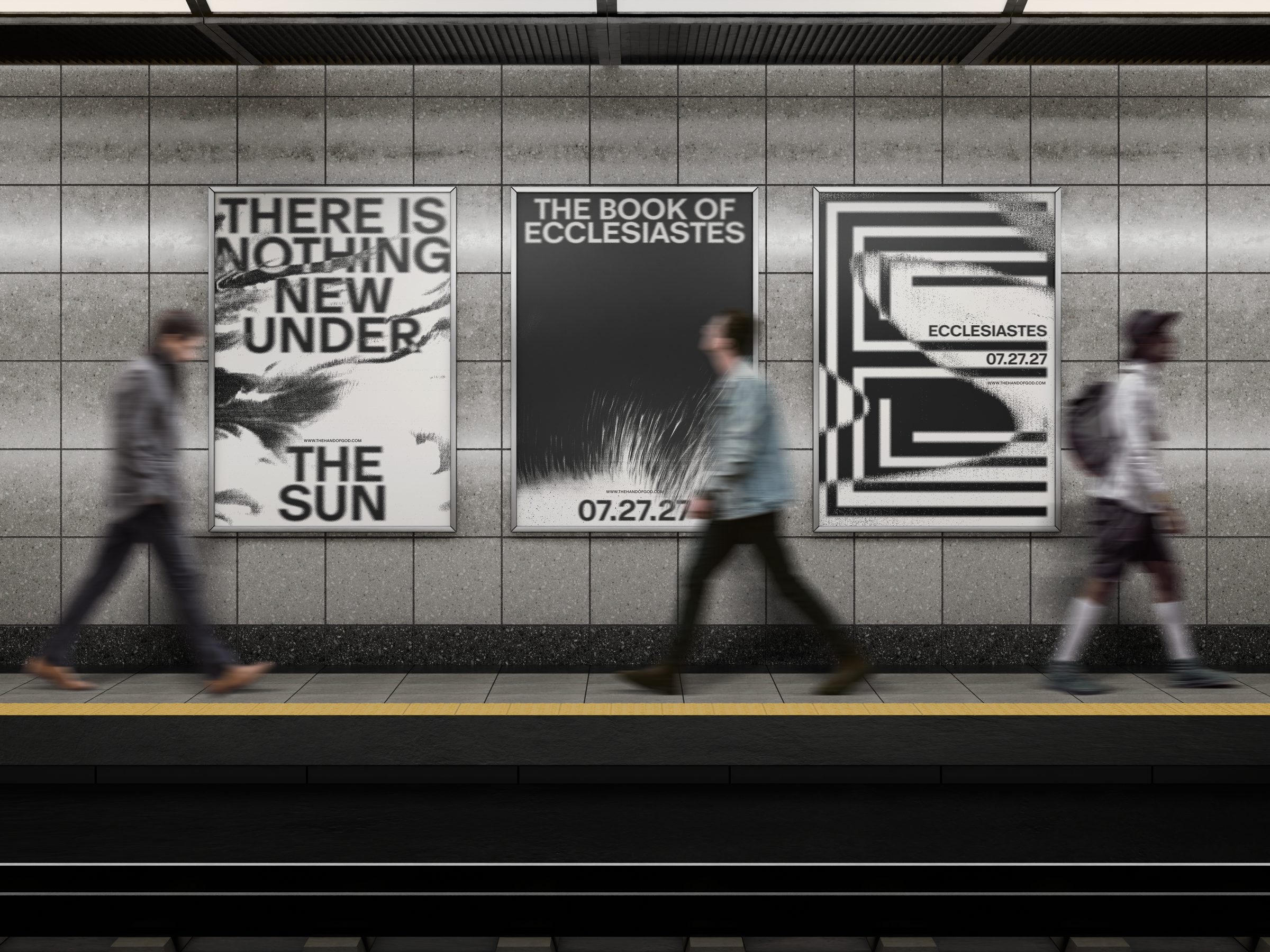
Image 01 One shift in alignment, sixteen possible readings.
02Rhythm
Pauses matter as much as marks — silence carries the meter.
03Voice
Every mark placed with intent — nothing decorative, everything felt.
Type weight moves in a three-step ladder: light for context, medium for statement, bold only for the phrase the composition wants to underline. No weight is used ornamentally. The reader learns the system in two spreads and reads freely from the third onward.
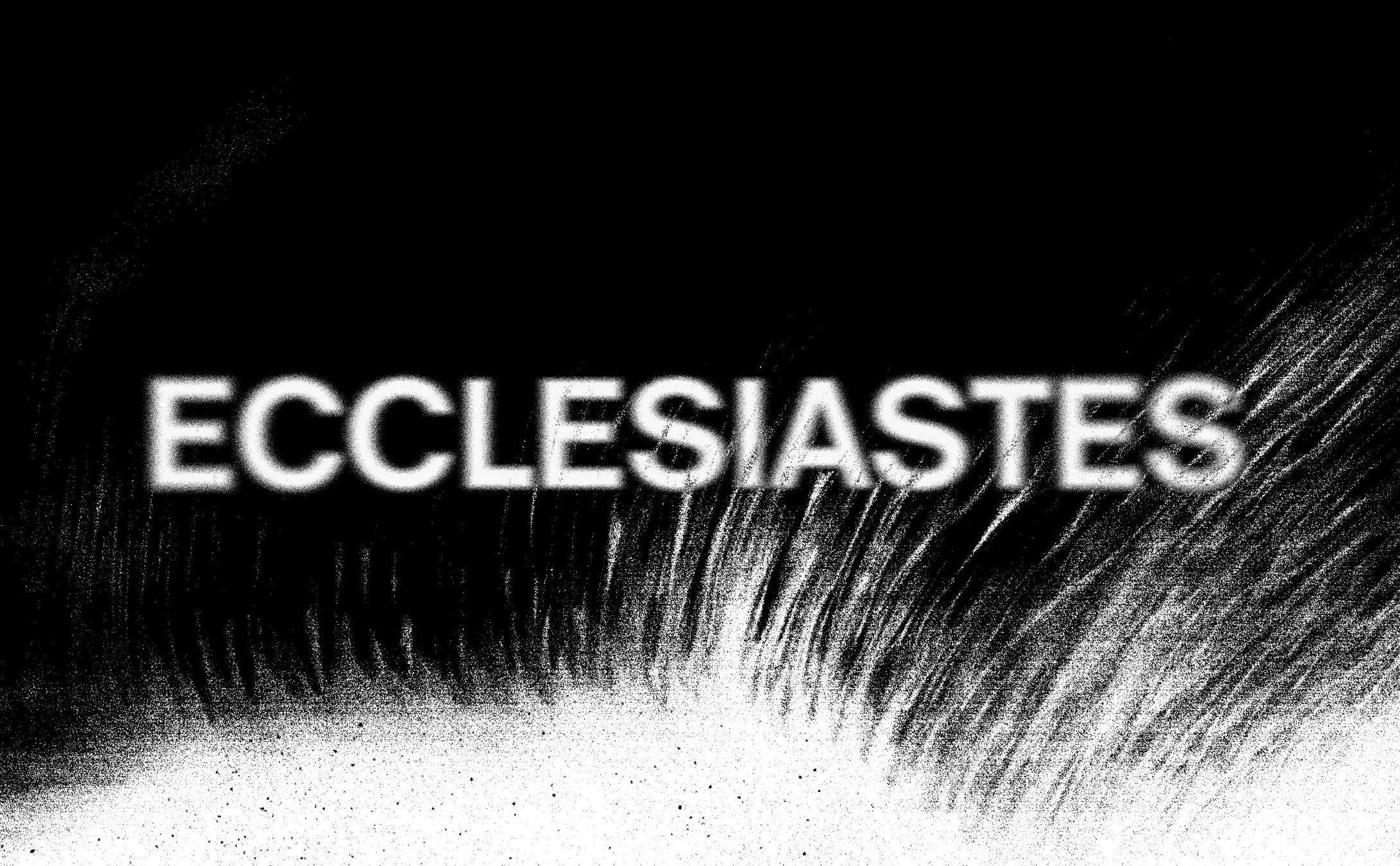
The motion study extends the same discipline into time — the phrase enters, holds, and lifts, on a beat set by the composition itself.
04Applications
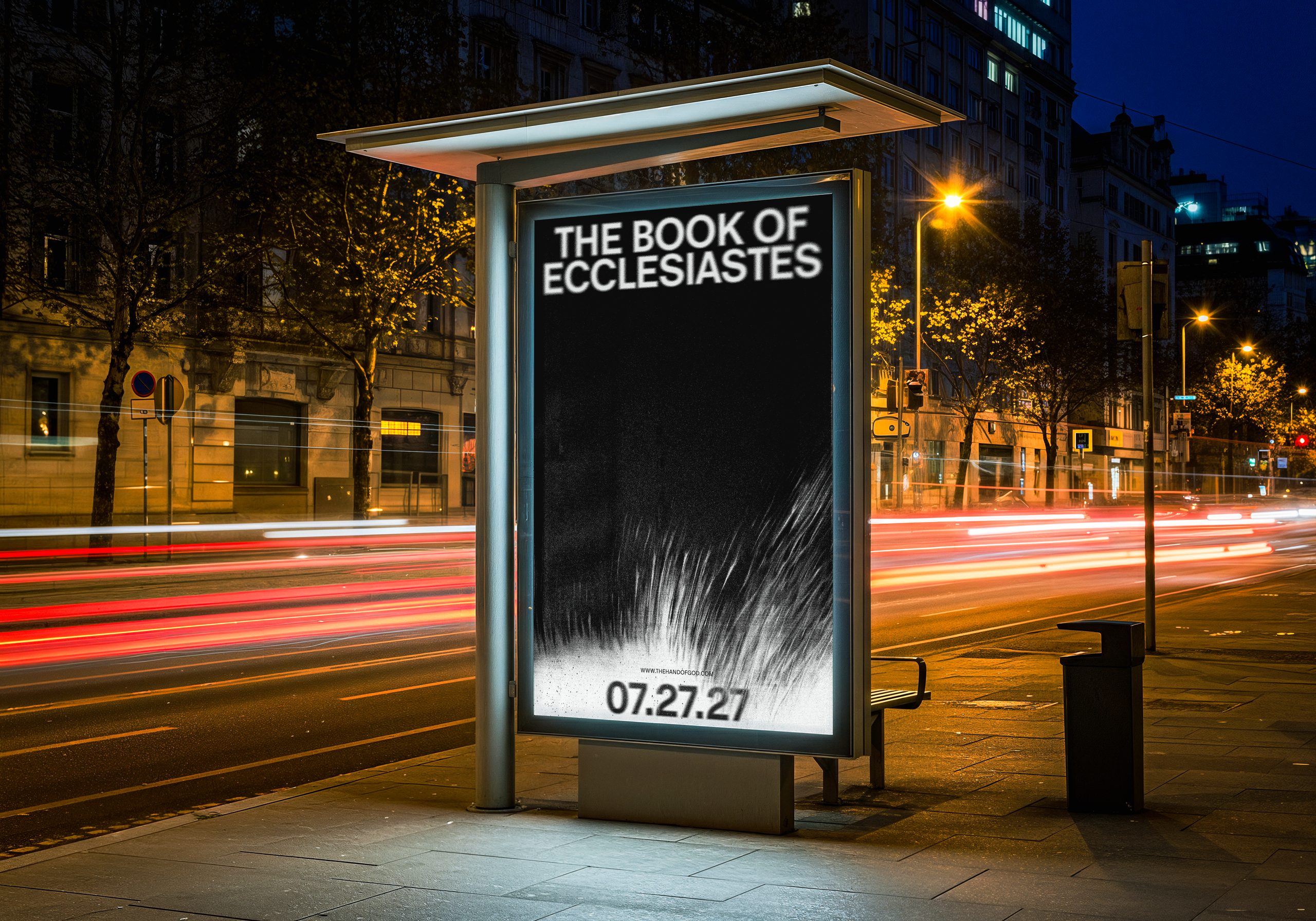
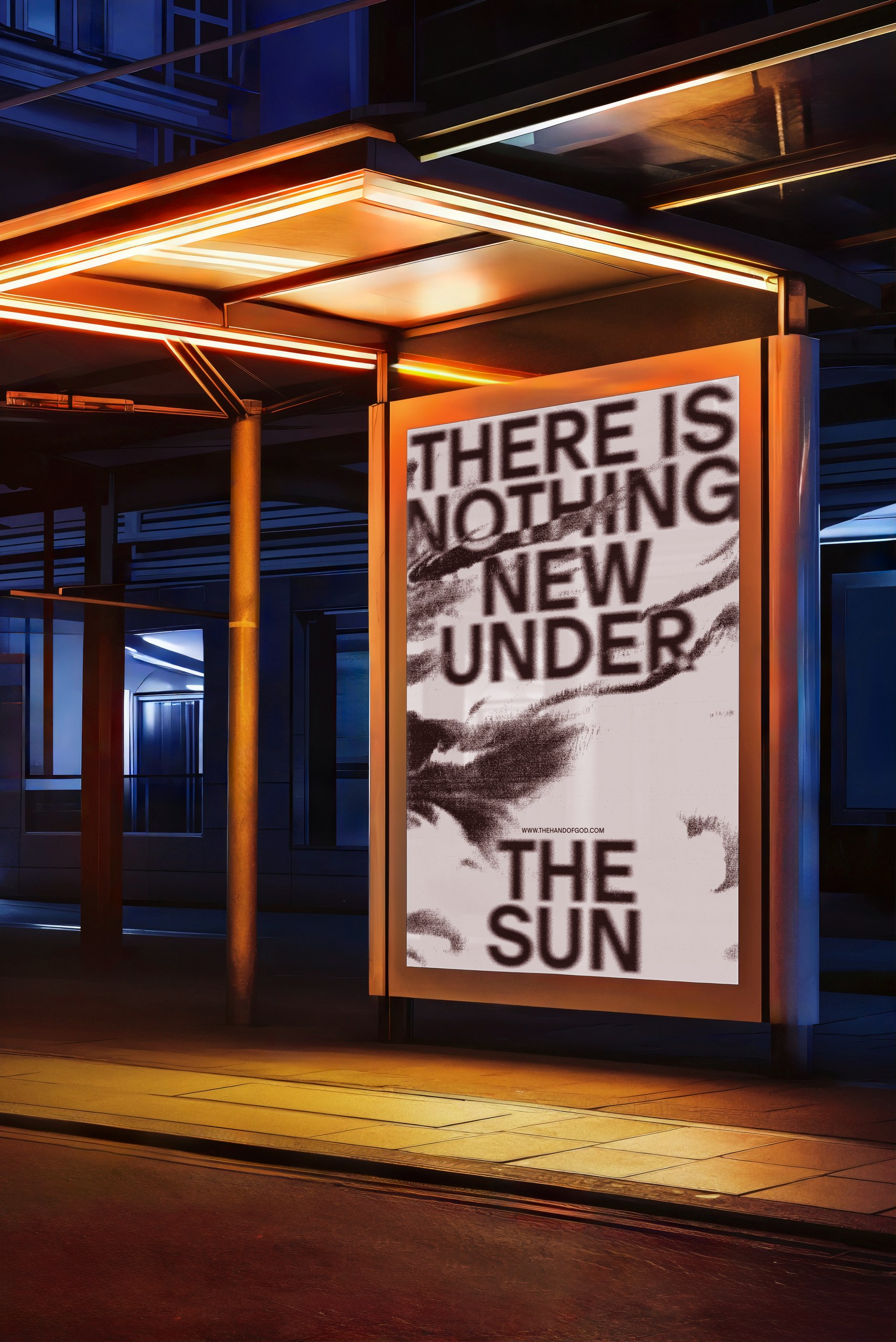
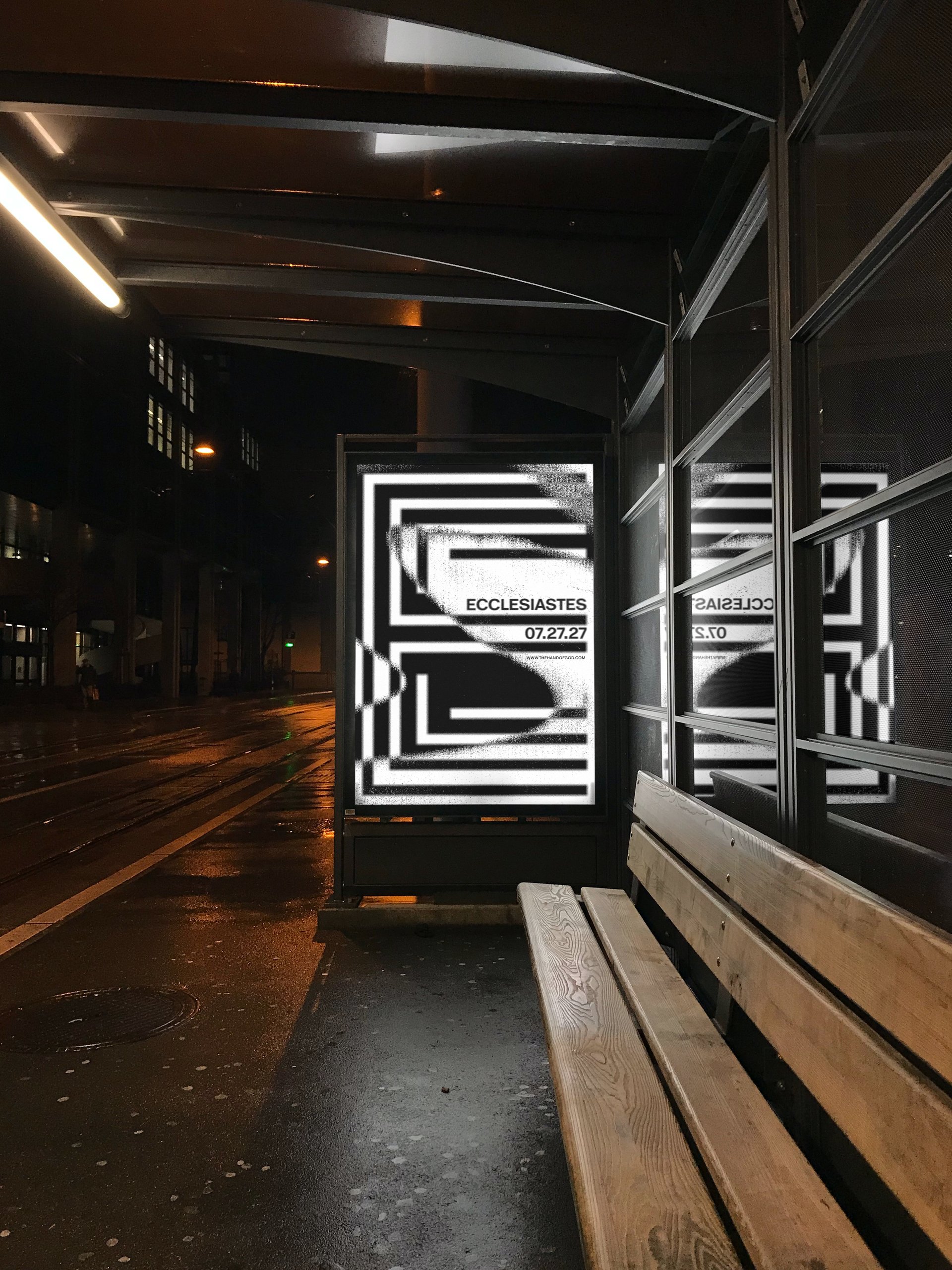
A page that knows how to be still says the most.
Credits